Birthday Traditions in Japan: Unique Customs and How to Celebrate a 60th Birthday
Discover Japan's unique birthday traditions, with a special focus on the 60th birthday (Kanreki) and how to celebrate this milestone meaningfully.
On this page
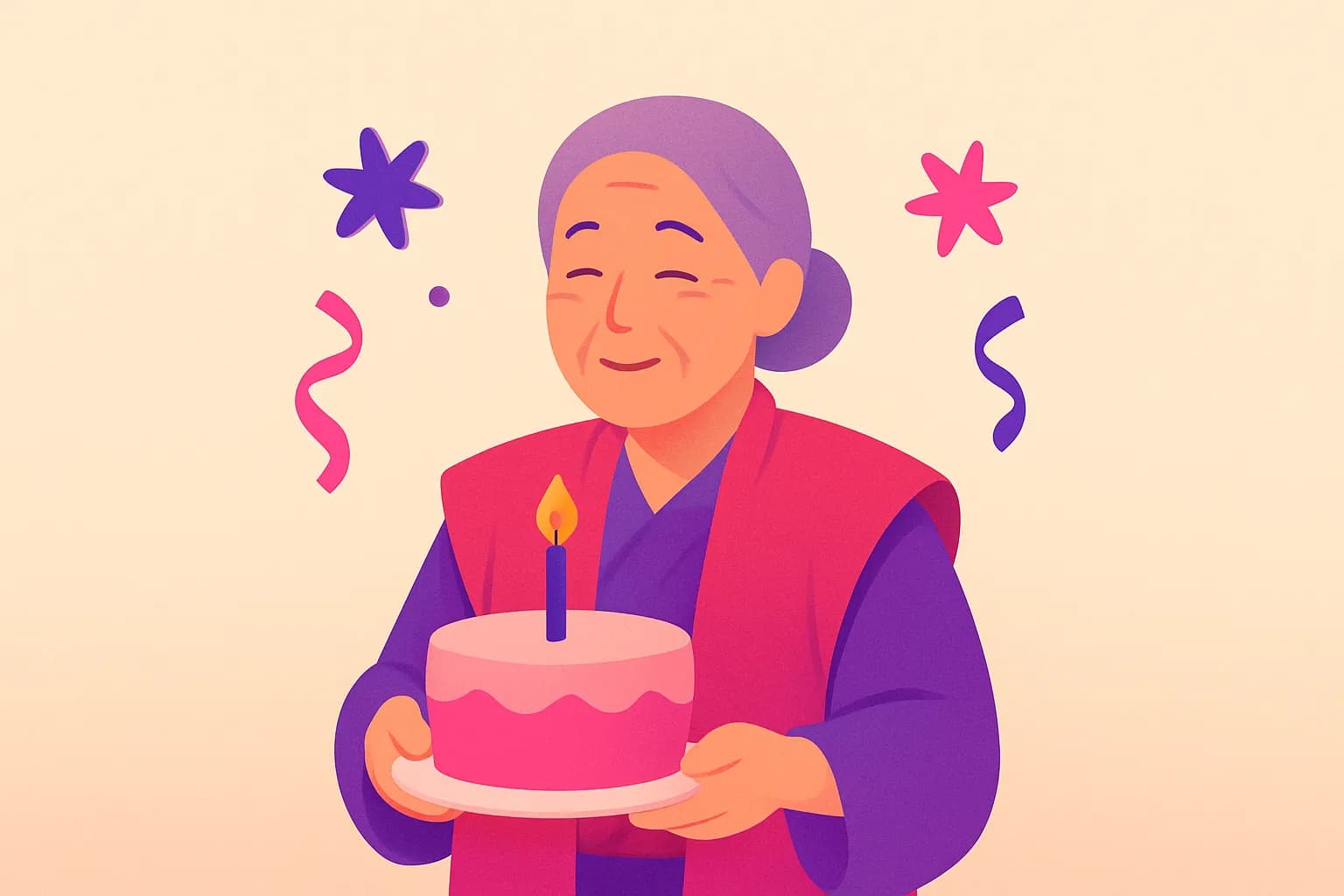
Birthday celebrations in Japan vary by family and generation, but one well-known milestone is the 60th birthday, called Kanreki. It is often associated with completing the zodiac cycle and beginning a new stage of life. Learning a few common Kanreki customs can help you plan a thoughtful celebration for yourself or a loved one.
How Birthdays Are Celebrated in Japan
Birthday customs in Japan vary. Some families focus more on milestone ages than on large annual parties, while others celebrate birthdays much like families elsewhere do. Western-style cakes, gifts, and parties are common in many settings today, alongside older milestone traditions.
Key Points About Japanese Birthday Culture
- Milestone ages: Some ages, such as 60, 70, 77, 80, and 88, may be marked with special names or family celebrations.
- Children's birthdays: Cakes, gifts, and small parties are common in many families today.
- Adults: Some adults prefer low-key celebrations, such as a meal or gift with close friends or family.
- Birthday songs: Some celebrations include "Happy Birthday," while others keep things simple, especially for adults.
- Birthday wishes: Polite and heartfelt messages are preferred. See our Birthday Wish Generator for inspiration.
The Meaning of Kanreki: Japan’s 60th Birthday Tradition
The 60th birthday, or Kanreki (還暦), is a well-known life milestone in Japan. It is commonly explained as the completion of the zodiac cycle, symbolizing a return to one's birth-year sign and a fresh start. Because of that meaning, some families celebrate with wishes for health, happiness, and longevity in the years ahead.
Why the 60th Birthday?
Age 60 is widely recognized as a symbolic turning point. Today, some families celebrate Kanreki with a large gathering, while others keep it simple with a meal, gifts, or photos together.
How to Celebrate a 60th Birthday in Japan (Kanreki)
If you're planning a Kanreki celebration, focus on what will feel meaningful to the honoree. Some families choose a simple gathering, while others plan a larger party or trip. A Kanreki celebration often centers on appreciation, family connection, and the idea of a new beginning.
Essential Kanreki Customs
- Red clothing: Some Kanreki celebrations include a red vest (chanchanko) and cap. Red is often associated with protection, vitality, and celebration.
- Family banquet: A shared meal with family or friends is a common way to celebrate. Some people choose symbolic foods such as sea bream (tai).
- Gifts: Thoughtful presents might include red items, personalized keepsakes, or an experience such as a meal out. If you're unsure about symbolic gift choices, ask the family what they prefer.
- Speeches and toasts: A short toast, letter, or message from family members can make the occasion feel personal.
- Photos: Commemorative photos can be a nice keepsake, especially if the celebration includes traditional red attire.
Sample Kanreki Celebration Plan
- Choose a date close to the actual birthday. You can use a birthday countdown tool to see how many days remain until the next birthday, then send invitations separately.
- Order or borrow a red chanchanko and cap for the honoree.
- Reserve a favorite restaurant or prepare a special meal at home, including symbolic dishes.
- Ask family members to prepare a short speech or letter. Use the birthday wish generator for wording ideas.
- Present thoughtful gifts. Red wrapping paper or red accents can tie the gift to the Kanreki theme if that suits the family.
- Take group photos and, if appropriate, display a slideshow of the celebrant’s life.
Other Important Milestone Birthdays in Japan
Kanreki is just one of several age-related celebrations in Japanese tradition. Each carries its own meaning and customs:
- Shichi-Go-San (7-5-3): A celebration associated with children around ages 3, 5, and 7.
- Koki (70): A named 70th-birthday milestone.
- Kiju (77): A named 77th-birthday milestone.
- Sanju (80): A named 80th-birthday milestone.
- Beiju (88): A named 88th-birthday milestone, sometimes linked to wordplay around the number 88.
Each of these milestones typically involves a family gathering, gifts, and sometimes special attire, similar to Kanreki. You can track upcoming milestone birthdays in your family with an age calculator to plan ahead.
Modern vs. Traditional: How Birthday Celebrations Are Changing in Japan
Birthday celebrations in Japan continue to vary by age, family, and setting. Some people enjoy cakes, candles, and parties, while others prefer a quiet meal or a message from family. Milestone birthdays such as Kanreki may still receive extra attention.
Key Differences Between Modern and Traditional Celebrations
- Traditional-style milestone celebration: May focus on a named age, family gathering, symbolic colors, or keepsake gifts.
- Modern-style birthday celebration: May include cakes, parties, casual greetings, or restaurant meals for any age.
Whatever style you choose, a Kanreki celebration can be a good opportunity to show appreciation and celebrate the honoree's life so far.
Tips for Planning a Japanese-Style 60th Birthday (Kanreki)
Here are five concrete tips for planning a meaningful Kanreki:
- Respect the honoree’s wishes: Some may prefer a quiet meal, others a larger gathering. Ask for their input.
- Use red thoughtfully: If the family likes the Kanreki symbolism, add red through attire, decorations, or gift wrap.
- Share memories: Prepare a photo montage or a scrapbook highlighting key moments in the celebrant’s life.
- Include symbolic foods: If desired, serve celebratory dishes such as sea bream or red bean rice.
- Offer heartfelt words: A written or spoken message from family or friends can add warmth to the celebration.
For more inspiration and guides on birthday celebrations around the world, visit the Birthday Hunter guides hub.
Frequently Asked Questions
What is the significance of wearing red during Kanreki?
Red is commonly associated with celebration, vitality, and protection, which is why it often appears in Kanreki clothing and decorations. A red vest and cap are one familiar way to mark the occasion, though families celebrate in different ways.
What are appropriate gifts for a 60th birthday in Japan?
Appropriate Kanreki gifts depend on the person and family style. Common ideas include red accessories, personalized keepsakes, flowers, a favorite meal, or an experience to enjoy together. When in doubt, choose something thoughtful and practical.
How do Japanese people calculate milestone birthdays?
Milestone birthdays are usually based on age, with Kanreki marking age 60. If you want to check someone's current age in years, months, and days, you can use an age calculator.
Are there birthday parties for adults in Japan?
Adult birthday celebrations in Japan can be as simple as a meal with family or friends, though some milestone birthdays receive a bigger gathering. For ideas, browse our guides or use the birthday wish generator to draft a message for the occasion.
Try it for yourself
Age Calculator
Your exact age in years, months and days: plus weeks, hours and more.
Calculate my ageBirthday Countdown
Count down to your next birthday: live, to the second.
Start my countdownBirthday freebies for you
Checking current offers...
Plan your birthdayGet actual free stuff on your birthday
Find restaurant and store birthday rewards with Birthday Hunter. Check eligibility and save the ones you want to use.
Get Birthday Hunter: freeRelated guides
Birthday Traditions in France: Unique Customs to Celebrate Your Special Day
7 min read
Culture & TraditionsBirthday Traditions in Ghana: Unique Cultural Customs to Celebrate Your Special Day
6 min read
Culture & TraditionsBirthday Traditions in Italy: Unique Customs to Celebrate Your Special Day Like a Local
6 min read