Birthday Superstitions and What They Mean Today
Explore common birthday superstitions, how people use them today, and simple ways to include them in your celebration for fun.
On this page
Birthday superstitions are beliefs and rituals that some people connect with luck, protection, and celebration. Their exact origins vary by tradition, but many customs are still used today as a fun way to add meaning to a birthday.
Egypt and the Divine Connection
Some stories link early birthday observances to rulers, religious rituals, or important public figures rather than everyday family parties. Because customs changed over time and from place to place, it is safer to treat any single origin story as one explanation rather than the whole history.
Why Superstitions Formed Around Birthdays
Superstitions often form around important life moments. For birthdays, that can mean rituals meant to invite luck, mark a fresh start, or help the day feel special and protected.
- Protection: Some families or communities use birthday customs as symbolic protection, such as gathering loved ones together or making noise as part of the celebration.
- Fortune: Some people treat birthday wishes, candles, or favorite colors as lucky signs for the year ahead.
- Symbolism: Foods, numbers, and colors can carry symbolic meaning, but the meaning varies by family and tradition.
Famous Birthday Superstitions Around the World
Many birthday superstitions still show up in modern celebrations. Here are a few familiar examples and the meanings people often attach to them:
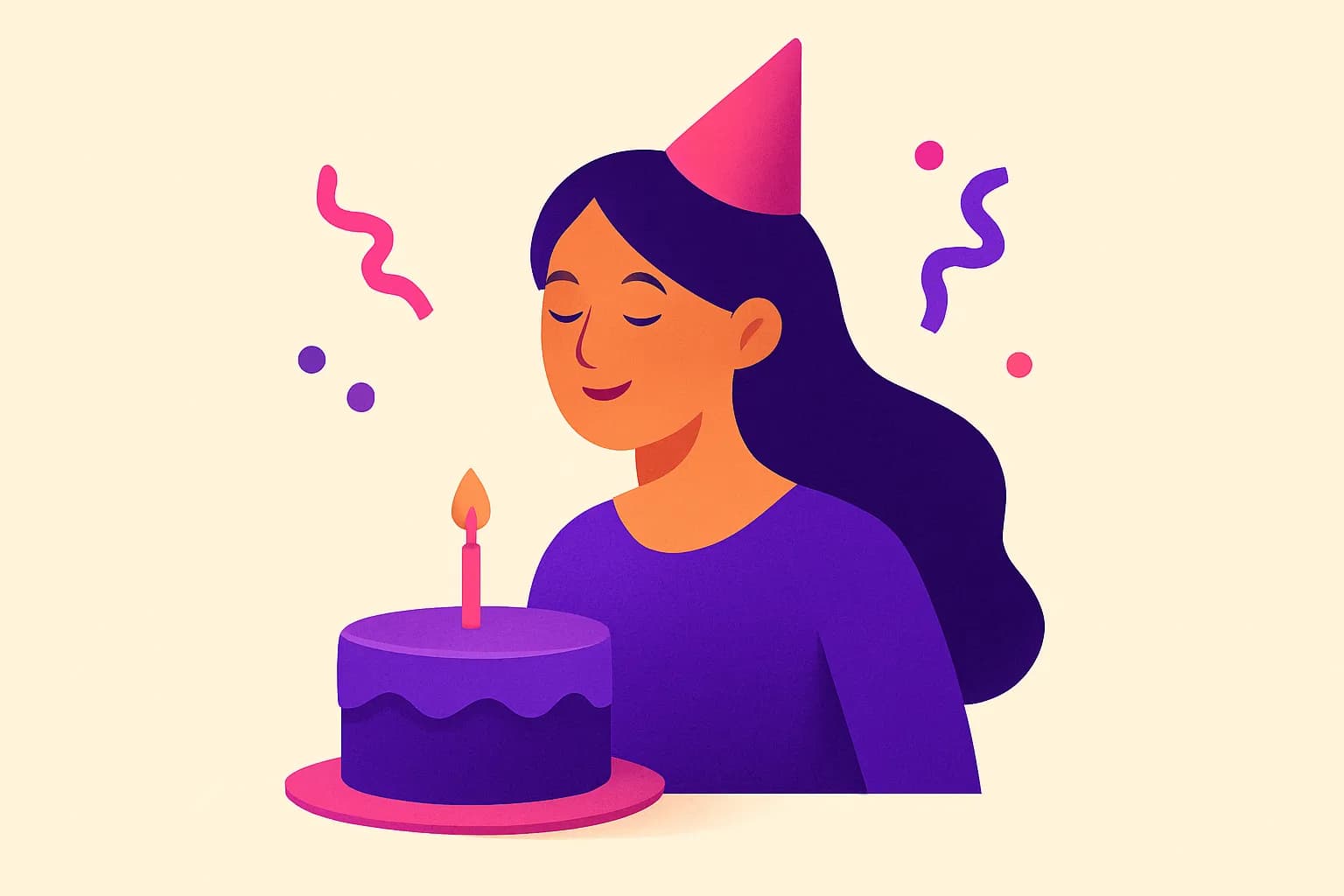
- Blowing Out Birthday Candles: Many people connect this with making a wish and starting a new year of life on a hopeful note.
- Making a Silent Wish: A common superstition says a wish should stay private until after the candles are blown out.
- Birthday Bumps or Spanks: Some families have treated playful bumps or taps as a birthday joke or lucky ritual, though many people skip this tradition today.
- First Slice of Cake: In some families, the first slice goes to the birthday person; in others, giving it away is treated as a generous or lucky gesture.
- Lucky Numbers and Colors: Some people choose candle counts, colors, or foods based on traditions they personally associate with luck.
- Birthday Gifts: In some traditions, people avoid gifts that are said to symbolize separation or bad luck.
- Wishing Happy Birthday in Advance: Some people prefer not to celebrate early because they see it as unlucky, while others do not mind.
How Birthday Superstitions Influence Modern Celebrations
Many people still keep birthday rituals such as candles, wishes, favorite foods, or symbolic gifts. Whether taken seriously or just enjoyed as tradition, these habits can make the day feel more personal.
Modern Twists on Old Beliefs
Today, many birthday superstitions are treated as playful traditions rather than rules. A few modern examples include:
- Surprise Parties: Some people like the excitement and energy of a surprise celebration, even if they do not attach any superstition to it.
- Midnight Celebrations: Some families or friend groups like to celebrate right at midnight to mark the moment the birthday begins.
- Wishing Generators: Unsure what to write in a card or text? The Birthday Wish Generator can draft a message based on the recipient, your relationship, tone, and notes, which you can then edit and copy.
Practical Ways to Add Meaningful Rituals to Your Birthday
If you want to honor these traditions (or just have more fun!), here are some ways to weave classic superstitions into your next birthday:
- Light candles and make a silent wish if that tradition appeals to you.
- Wear a color or accessory that feels meaningful or lucky to you.
- Serve foods that feel symbolic to you or your family, such as long noodles, a favorite cake, or a meal tied to a birthday memory.
- Host a gathering of friends and family to surround yourself with positive energy.
- Give gifts that symbolize good luck, such as lucky charms, plants, or coins.
- Use a birthday countdown to see how long until the next birthday date.
- Use an age calculator to see your age in calendar years, months, and days if you want to mark the milestone more precisely.
A Comparison: Birthday Superstitions Then and Now
- Then: Birthdays were seen as dangerous, requiring protection from evil spirits.
- Now: Most birthday rituals are practiced for fun or tradition, not out of fear.
- Then: In some earlier traditions, birthday observances appear to have been more formal or limited than many modern family celebrations.
- Now: Birthdays are celebrated by people of all ages and backgrounds, often with a personal twist on old customs.
- Then: In some traditions, people treated birthday customs more seriously than others do now.
- Now: Traditions are flexible, and people may treat them as meaningful, playful, or optional.
If you’re looking for more ways to create meaningful birthday traditions, check out the Birthday Hunter guides hub for practical tips and inspiration.
Frequently Asked Questions
Why do we blow out candles on birthdays?
People often link birthday candles with wishes and celebration. Specific origin stories are commonly repeated, but the modern custom is best understood as a symbolic ritual that adds anticipation and fun to the moment.
Is it really bad luck to wish someone happy birthday early?
For some people, yes. A common superstition says it is unlucky to celebrate or congratulate someone before the date itself. Others do not follow that rule, so it is best to match the birthday person’s preference.
What’s the origin of making a birthday wish?
A birthday wish is a simple ritual tied to hope, intention, and the start of another year. People often pair it with candles or a quiet moment, even if they treat it as a tradition rather than a literal belief.
Are there any tools to help plan a superstition-inspired birthday?
You can use the birthday countdown to see how long until the next birthday date, the age calculator to check an age in years, months, and days, and the birthday wish generator to draft a message you can edit. The Birthday Hunter guides hub also has more celebration ideas.
Try it for yourself
Age Calculator
Your exact age in years, months and days: plus weeks, hours and more.
Calculate my ageBirthday Countdown
Count down to your next birthday: live, to the second.
Start my countdownBirthday freebies for you
Checking current offers...
Plan your birthdayGet actual free stuff on your birthday
Find restaurant and store birthday rewards with Birthday Hunter. Check eligibility and save the ones you want to use.
Get Birthday Hunter: freeRelated guides
Birthday Superstitions Around the World: What They Mean Today
5 min read
Culture & TraditionsBirthday Superstitions Around the World: What They Really Mean Today
6 min read
Culture & TraditionsBirthday Superstitions Explained: What They Mean Today
6 min read